
Business Systems
Why Businesses Should Automate Repetitive Processes
The business case for automation: consistency, speed, scale and the human hours it frees — plus what not to automate.
By ThamilnilavanUpdated 2 min read15 views
On this page
Automation has an image problem: it sounds expensive and robotic. In practice, most business automation is unglamorous and immediately profitable.
What Automation Actually Is Here
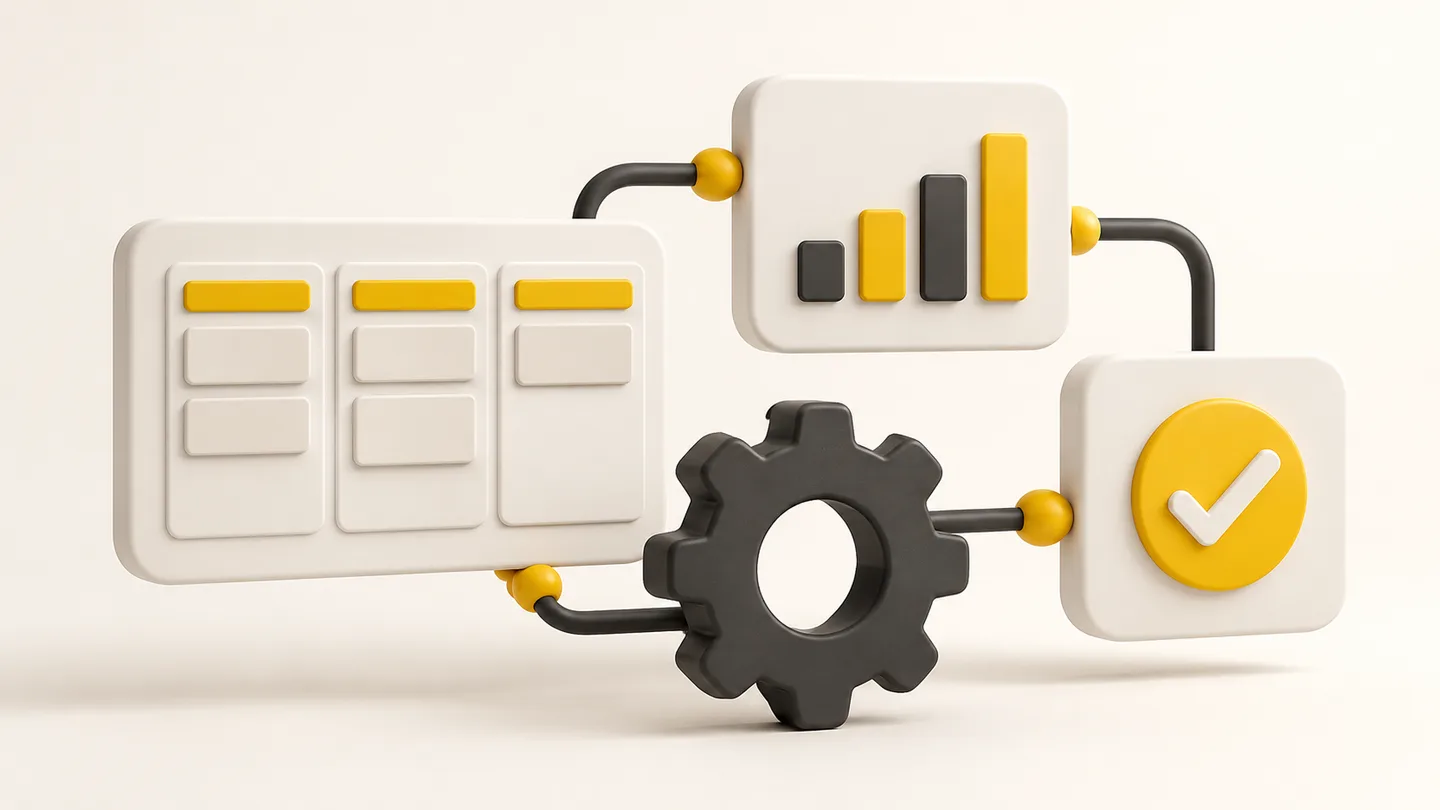
Not robots — rules:
- A lead form fills → the team is notified instantly
- An invoice is issued → a reminder fires before the due date, then again after
- A project stage changes → the client is updated automatically
- A booking is made → confirmation and calendar entry happen without you
The Case, in Order
- Consistency. Humans forget; rules do not. Every customer gets the same follow-up, every invoice the same reminders.
- Speed. Minutes instead of hours, hours instead of days. Speed is a competitive weapon in service businesses.
- Scale without headcount. Doubling orders should not double admin. Automation is what makes growth survivable for a small team.
- Error elimination. Copy-paste mistakes compound silently; automation removes the copy-paste.
- Better human hours. The team spends time on judgment work — the part customers actually pay for.
What Not to Automate
- Things that change weekly (you will rewrite the rule endlessly)
- Genuinely personal touchpoints — a personal reply to a big enquiry beats an auto-response
- Processes you do not understand yet. Automate what is already working manually
How to Start
List every task done more than weekly that follows the same steps every time. Rank by minutes × frequency. The top item is your first automation — usually notifications, reminders, or document generation.
Small automations stack. Six of them, quietly running, feel like hiring an assistant who never sleeps. That is the whole pitch.
T
Written by
Thamilnilavan